
This Domestic Violence Awareness Month, we’re sharing stories and insights from survivors of domestic violence as well as the service professionals who work with survivors. DVPN stands #WithSurvivors by supporting collaboration amongst local service providers and offering preventative education to youth and adults here in Central Indiana.
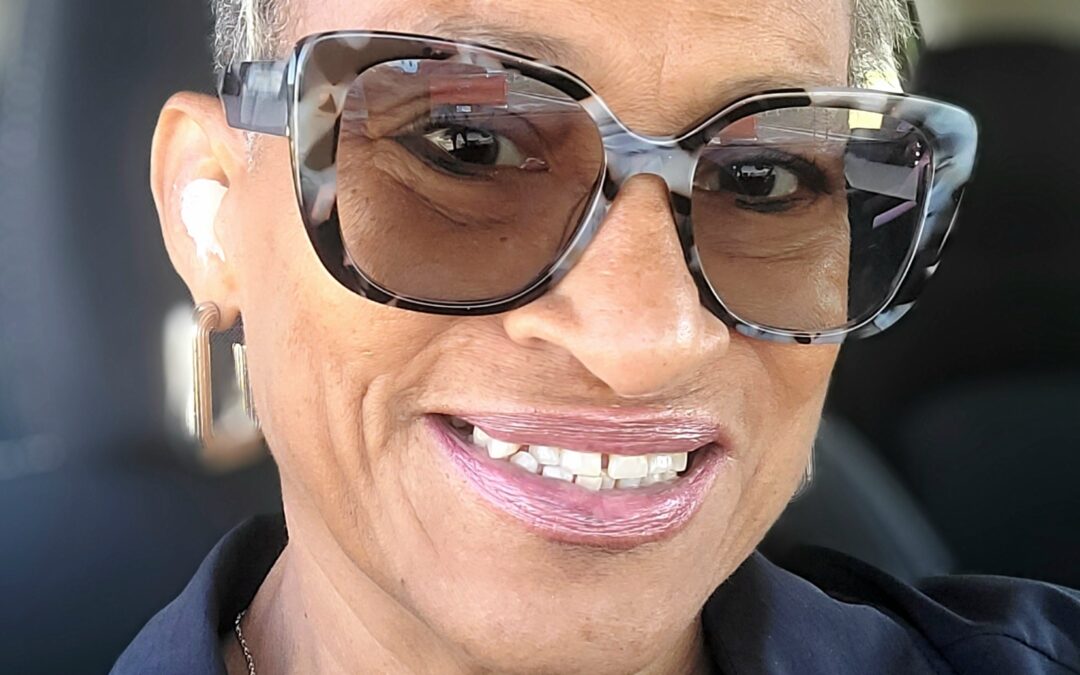
Leta Kimbrough is an Adult Employment Coach at Shepherd Community Center.
What does healing mean to you?
Healing means reclaiming my sense of self. Not to forget about forgetting what happened, but learning to move forward without letting the abuse define me.
Growing up, I watched my mother, grandmother, and aunt experience abuse. I always told myself that I would never live that way, yet I found myself in two abusive marriages. That taught me that domestic violence can affect anyone, regardless of their background, intentions, or even strength.
For me, healing is about feeling safe again, setting and maintaining healthy boundaries, trusting myself, and finding joy in everyday moments. Discovering who I am beyond the abuse – that is the journey of healing.
What gives you hope right now?
What gives me hope is seeing survivors support one another and knowing that more people are willing to have honest conversations about abuse. Every time someone reaches out for help, every time a community member speaks up, and every time a survivor realizes they are not alone, I am reminded of how much progress has been made since 1978. Domestic violence is no longer something that is hidden as often or ignored as easily. Along with more people willing to listen and help, there are also more services and more awareness, continually.
Change is possible, and seeing that change continue to happen gives me hope.
What do you wish people understood about domestic violence that they often don’t?
I wish people understood that domestic violence does not discriminate. Ultimately, it’s about power and control, and it can span way beyond just physical violence. For example, abuse can be emotional, psychological, financial, digital, verbal, or physical. I also wish people understood that men can be victims of domestic violence too.
Many survivors stay because of fear, isolation, financial dependence, concern for their children, or because leaving can be the most dangerous time in an abusive relationship. “Just leave” is often not possible. We need to understand the complexities of abuse before we judge someone’s choices.
What role do you think friends, coworkers, neighbors, educators, faith communities, or other community members can play in prevention?
Community members, churches, schools, and service organizations all play a critical role in prevention by creating environments where people feel safe asking for help. Communities are vital to prevention. They can learn the warning signs, listen without judgment, challenge harmful attitudes, support healthy relationships, and connect people with resources. Prevention happens when communities make it clear that abuse is not acceptable and that survivors will be believed and supported when they come forward. When people know they will be heard instead of judged, they are much more likely to seek help.
What do you wish someone had told you (or what do you wish more people knew) about supporting someone experiencing abuse?
I wish more people understood that the most important thing they can do is listen and believe. Survivors need support, patience, and information. Asking, “How can I help?” and respecting a survivor’s choices can make a tremendous difference. You can’t force a survivor to do anything, but you can support them without judgement.
I also wish domestic violence had been something people felt comfortable talking about when I was going through it. Too often, survivors are made to feel ashamed of what is happening to them. In reality, the shame belongs to the abuser, not the victim.
Education was desperately needed years ago, and it is still important today. I remember people in my church witnessing the abuse happening, even in the church parking lot, and not knowing how to respond. If more people had understood domestic violence and how to help, it could have made a significant difference.
If you could leave our community with one message during DVAM, what would it be?
Domestic violence affects people from every background, and it thrives in silence. We cannot afford to be silent anymore.
We all have a role to play in creating safer communities. Listen when someone tells you they are being abused. Believe survivors. Educate yourself. Speak up when something does not seem right. Remember that help is available, and know the resources around you. Families need to talk about abuse with each others and not be embarrassed or feel guilty. No one deserves abuse, and no one should have to face it alone.